Airport Wayfinding, the Role of AI, and Much More on the Agenda as Synect Prepares for APDCS

Conference season is officially underway, and our team is heading to Indianapolis for this year’s AAAE/ACC Airport Planning, Design, & Construction Symposium!

APDCS brings together airport leaders, planners, designers, and technology partners to explore the future of aviation and infrastructure. This year’s agenda addresses many of the topics our team has been discussing, and we're excited to hold these conversations in person.
Here’s a look at what we’re most excited to explore.
Reimagining the Passenger Experience
As the industry prepares for a decade of mega-events, every step of the airport experience is up for evaluation.
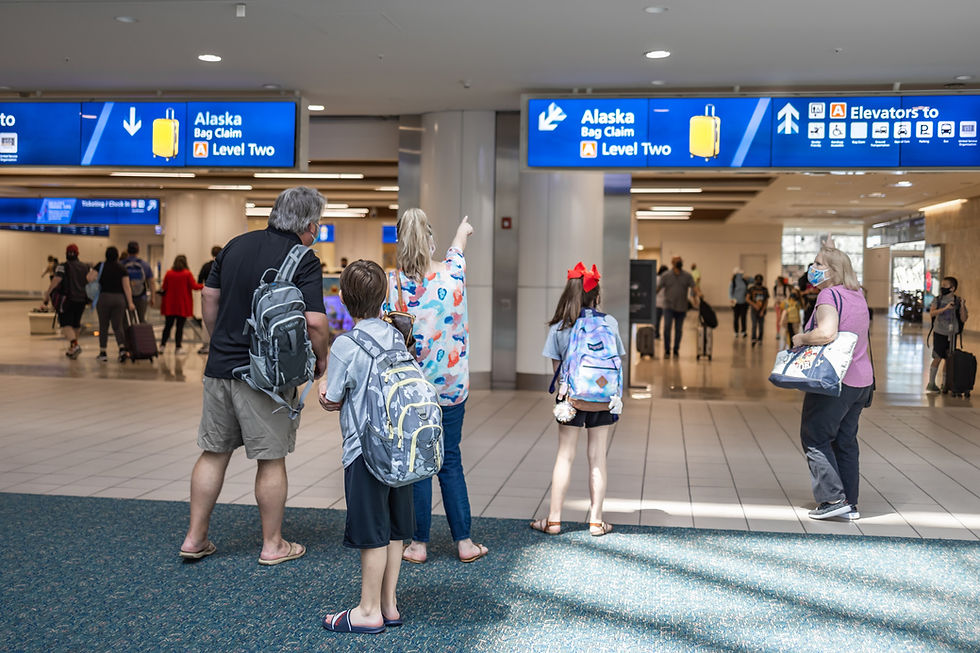
Check-in needs to be faster. Security should be easier and less stressful. Wayfinding should be clear, accessible, and easy for everyone. Now, every step from curb to gate is more important than ever.
For many airports, legacy signage systems can’t adapt quickly enough for today’s dynamic environments. While static signage still plays a key role in sharing unchanging information, it can’t adapt in real time to shifting passenger volumes or operational updates.
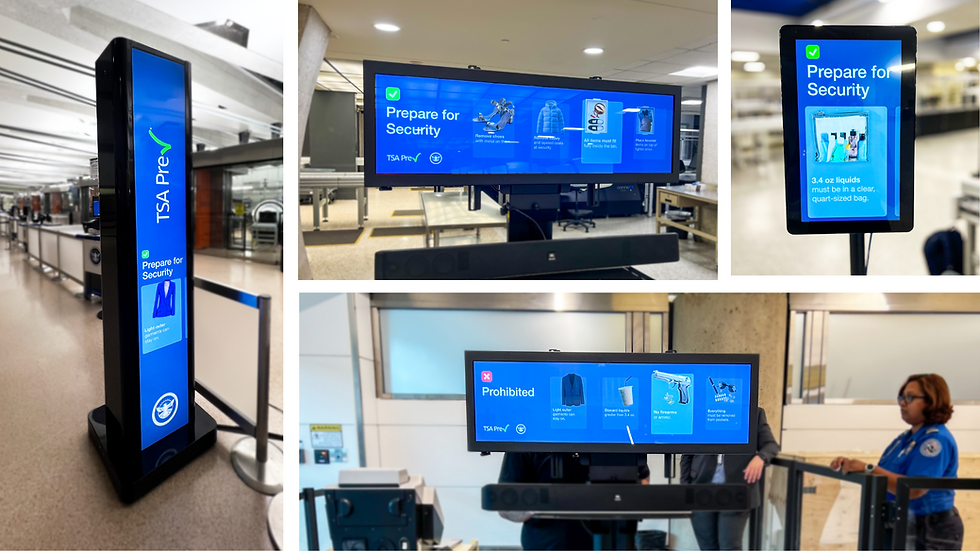
When tools change with the environment, airports can reduce friction, ease stress, and create a seamless journey from curb to gate. We can’t wait to discuss how integrated physical and digital strategies help airports support passenger and operations more effectively.
Preparing for Growth and High-Impact Moments
Airports are facing new pressures from sustained passenger growth and the influx of passengers amid major events. When traffic surges, infrastructure, staffing, and systems are put to the test. However, these surges also create major opportunities.
With the right tools and strategies, busy periods can drive long-lasting improvements. Investments made to support crowds during major events can leave strengthen operations and improve the passenger experience even after the events are over.

Creating Competitive Advantages
No airport project is completed in isolation. Every successful initiative is backed by a network of stakeholders working toward a shared goal. Strong partnerships and clear communication are key to making airport projects succeed.

A culture of collaboration establishes alignment early, minimizes disruption, and helps teams move forward with confidence. Building a culture that emphasizes collaborations, innovation, and teamwork is essential for airports to grow.
We’re especially excited to hear from Ian Birnbaum, Project Manager at Burns Engineering, discuss the relationship between airport culture and innovation during his panel on Thursday, March 5.
AI as a Strategic Planning Tool
AI is a topic on everyone’s mind, and we’re looking forward to exploring its potential with our peers at APDCS.
With access to enormous operational datasets, AI tools promise to help planners analyze capacity, forecast demand, and create more accurate predictions. As airports look for ways to improve efficiency, they’re also asking important questions: How do we use AI responsibly? How do we make sure these tools support human insight?
We’re eager to discuss how to use AI while still focusing on human-centered experiences.
Designed with People in Mind
The most important thread across these themes and sessions is a focus on the human experience.
Airports are emotional environments. Travelers arrive filled with anticipation, uncertainty, and excitement. The way airport operators design spaces, systems, technology, and content influences how passengers’ emotions unfold.

Whether it’s clear wayfinding, data-driven improvements, or engaging content at key points, designing with empathy is becoming a top priority.
Synect has used human-centered design to create effective content for years. Our team knows that every improvement matters more when it’s designed to support real people on real journeys.
Looking Ahead to Indianapolis
As airports grow and modernize, they’re finding new ways to balance tradition, technology, and innovation. We’re excited to connect with peers, share ideas, and explore what will shape the next generation of airport experiences.
If you’ll be attending APDCS, we’d love to connect. Get in touch with our team today.