How Are Airport Checkpoints Changing? The Questions We’re Answering at FTE Global

Updated: Sep 2
This week, TSA announced the start of their new strategy, Horizon 25, and the end of Gold+. As the organization prepares to roll out the evolved Screening Partnership Program (SPP), airports are left wondering what’s next.
New screening technology, new partnership structures, and new approaches to the passenger experience are changing the rules of the checkpoint. Everything from procurement to processing is transforming, and it’s happening faster than ever before.
There’s no better place to talk about it than FTE Global. It’s where the industry comes together to discuss what’s moving airports forward and what’s coming next, and we can’t wait for this year’s conversations to begin.
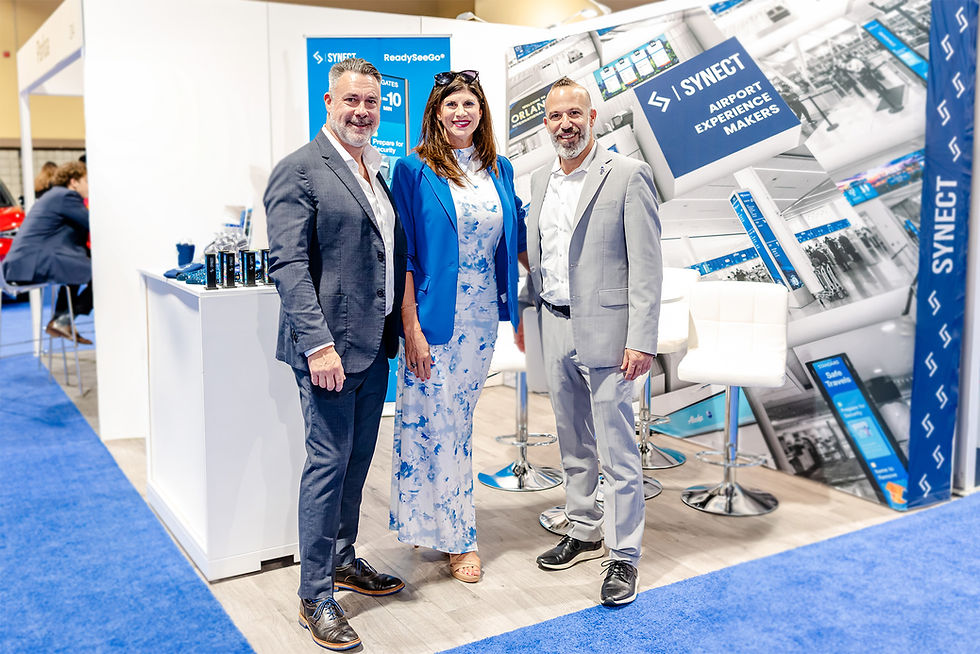
Our team will be everywhere this year, but our most important conversation will take place during our panel at 12 p.m. CT on Wednesday, September 9. Join us on Stage 2 at FTE Global for "The Checkpoint Has Changed: Horizon 25, Public-Private Partnerships and the Future of Airport Security." Add it to your calendar now.
Wendy Reiter, Managing Director of Seattle-Tacoma International Airport, will moderate a discussion between:
Tom Ripp, CEO of Analogic
Jason Hausner, Director of Passenger Facilitation for Delta Air Lines
Yahav Ran, CEO of Synect
Trey Huelskamp, Director of Business Development for VMD Corp.
The panel brings together leaders from airports, airlines, and security to give attendees a clearer picture of what’s changing, why it matters, and what they should be prioritizing now.

Here’s a preview of what we’re most excited to discuss at this year’s show.
What's Driving Change at the Checkpoint?
As airports build on the successes of America’s 250th anniversary and the World Cup and prepare for the 2028 Olympics, they’re working to optimize their operations, spaces, and event planning. But they're doing so in a landscape that's changing faster than ever before.
This week, TSA announced their new Horizon 25 strategy, including an evolved Screening Partnership Program (SPP) and a new model for how checkpoints are funded, staffed, and communicated.
These changes raise new questions about how funding models and public-private partnerships could help checkpoint operations remain resilient during funding disruptions.
How could procurement change? What responsibilities will move to private partners? Will it change what airports can expect from technology providers? What investments make the most sense today?
Synect’s panel will bring together perspectives from across the airport ecosystem to address these questions and more.
How is Next-Generation Screening Technology Redefining Airport Security?
Policy is only one part of the upcoming checkpoint transformation.
Passengers may not see how procurement is changing, but they’re certainly paying attention to the new technology, tools, and communication systems they encounter throughout the checkpoint.
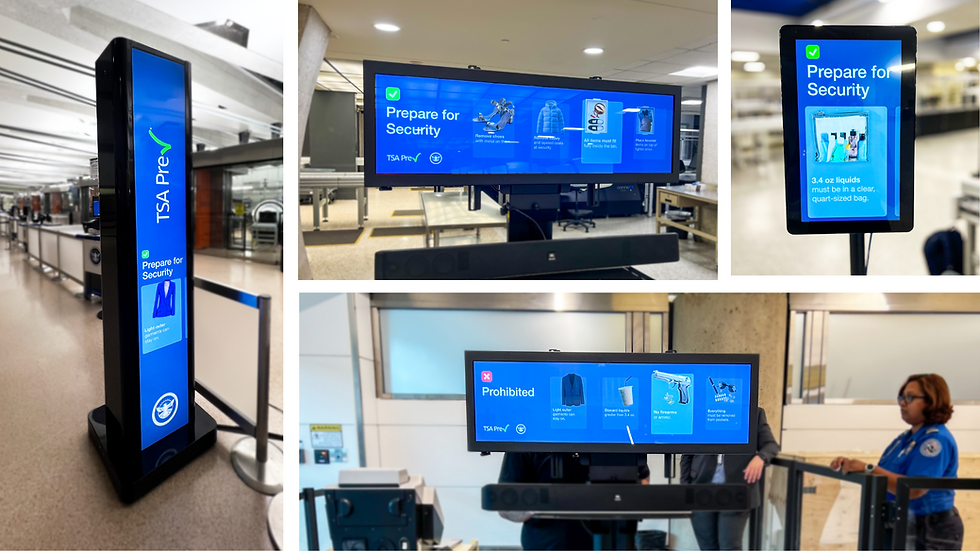
Advanced CT screening, AI-assisted decisioning, networked lanes, and more are changing what screening technology can do and how passengers flow through the checkpoint. It’s also changing their experience at security.
The conversation at FTE will explore how these tools can help airports process passengers more efficiently and build resilience when staffing or passenger volumes change.
But better screening technology alone can’t create better checkpoint experiences. Passengers need support. They need to know where to go, what to do, and what to expect. When passengers are engaged, informed, and prepared for screening, it makes the checkpoint calmer and more efficient for everyone.
Yahav Ran, CEO of Synect, will discuss the growing role of communication as part of airport infrastructure, highlighting the impact of our Better, Faster Security Checkpoints program. He’ll share lessons from our latest rollout, which brought better communication to the checkpoint for twelve of the nation’s busiest airports ahead of America’s 250th anniversary. This initiative was a part of the Freedom 250, LLC event produced by Event Strategies Inc.

Together, these changes are reshaping what airports and passengers expect from the checkpoint experience.
What Do Better Checkpoint Operations Mean for Airlines?
Checkpoint performance affects much more than the security line.
For airlines, unpredictable checkpoint throughput can ripple into delayed departures and missed connections. Poor checkpoint experiences can leave passengers unhappy throughout their flight. That makes consistency, reliability, and passenger experiences key parts of the conversation.
Our panel will explore what airports and airlines need from checkpoint performance and how new technology, new communication tools, and changing accountability models will affect the relationships between airports, airlines, and TSA.
What Should Airports Be Doing Now?
This is the most important question for our panel. Technology is changing. Procurement is changing. Partnerships are changing. Passenger expectations are changing.
The checkpoint of the future is taking shape today. The airports that move first will define the passenger experience for the next decade and beyond.
If you’re attending FTE Global, join us on Wednesday, September 9 at 12:00 p.m. to start answering the industry’s biggest questions. To dive deeper or learn more about our Airport Content Framework, get in touch with our team before the show.
We hope to see you in Dallas!